with the rapid development of science and technology, the application of elevator servers in the hotel industry is becoming increasingly popular. especially in japan, elevator servers not only improve the efficiency of hotel operations, but also receive widespread attention in terms of security and stability. this article will delve into the security and stability of japanese hotel elevator servers to help relevant practitioners understand current technology trends and their potential challenges.
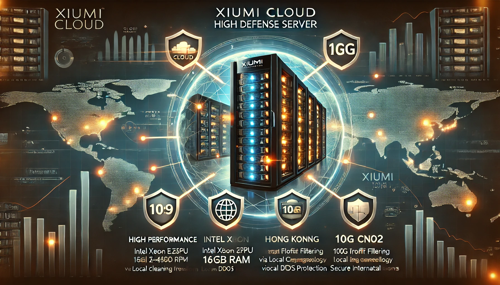
the elevator server is the core part of the elevator control system and is responsible for scheduling the operation of the elevator, monitoring the elevator status, and processing passenger requests. in japanese hotels, elevator servers can effectively improve the efficiency of passenger flow management and ensure that guests can reach their destination quickly and safely. this intelligent management method not only improves the customer's stay experience, but also helps the hotel improve operational efficiency and reduce labor costs.
security is the primary consideration in the design and operation of hotel elevator servers. japan has strict regulations on elevator safety standards to ensure the safety of elevators in use. for example, the elevator server must have multiple fault detection mechanisms and be able to respond quickly when abnormalities occur to avoid equipment failure from causing harm to passengers. in addition, regular safety inspections and maintenance are also important aspects to ensure the safe operation of elevators.
the stability of the elevator server directly affects the hotel's operational efficiency. in japan, many hotels adopt a redundant design, that is, when the main elevator server fails, the backup server can quickly take over control. this design greatly reduces elevator downtime due to server failure. in addition, modern elevator servers are also equipped with a real-time monitoring system that can provide timely feedback on the operating status of the elevator to ensure stability and reliability.
in recent years, with the development of internet of things and artificial intelligence technology, japanese hotel elevator servers have gradually developed in an intelligent direction. through big data analysis, the elevator server can predict passenger flow peaks and optimize dispatching strategies, thereby improving elevator operating efficiency. at the same time, the smart elevator server can also seamlessly connect with the hotel management system to achieve real-time data sharing and further improve management levels.
although japanese hotel elevator servers have made significant progress in security and stability, they still face some challenges. for example, as passenger flow increases, how to maintain efficient operation of elevators has become a major problem. in addition, the rapid update of technology also requires hotels to continuously invest in equipment upgrades and technical training. therefore, future elevator servers need to take into account economy and sustainability while improving safety and stability.
taken together, japanese hotel elevator servers have many advantages in terms of security and stability, but they also face certain challenges. in order to ensure the efficient and safe operation of the elevator system, hotel managers should regularly maintain and upgrade the elevator server, pay attention to industry trends, and introduce new technologies in a timely manner. in addition, cultivating a professional technical team is also an effective way to improve the management level of elevator servers. through comprehensive measures, the hotel industry can better cope with future challenges and improve overall service quality.
- Latest articles
- Hospital System Integration Analysis: Data Security And Compliance Of Chinese Servers In Thai Hospitals
- Using High-definition Images Of The Hong Kong Data Center Office To Evaluate The Rationality Of Cabinet Spacing And Air Conditioning Layout
- International Deployment Guide For Multilingual Websites Supported By Cloud Servers In The Philippines And Cambodia
- Setting Up A Cambodia LoL Server Analysis Of Server Stability And Bandwidth Requirements
- Service Provider Selection Recommendation: China To Japan Cn2 SLA And Service Coverage Comparison Checklist
- User Testing Of Alibaba Cloud 24 RMB Server In Malaysia Latency And Bandwidth Performance Report
- The Technical Operations Manual Covers The Server Troubleshooting Process For Website AV In The United States
- Case Study: Growth And Risk Management Of Korean IP Native To Overseas Business
- Which Malaysian Server Is Best For E-commerce Platforms? Recommendations For Scalability And Stability
- In-depth Analysis Of Cambodia CN2 Bandwidth Price Trends And Operation And Maintenance Cost Comparisons
- Popular tags
-

Common Network Troubleshooting Process To Determine Whether The Telecom CN2 Line Can Access Japanese Websites
This article provides a systematic troubleshooting process and practical suggestions for addressing the common network issue of whether telecommunications CN2 lines can access Japanese websites, suitable for network engineers and operations personnel. -
Japan Cn2 Computer Room Selection Guide And Its Impact On Network Stability
this article will provide you with a guide to choosing a japanese cn2 computer room and discuss its impact on network stability to help you make a wise decision. -
Case Sharing On How To Successfully Localize Marketing Activities Through Japanese Native Ip
this article shares case studies on how to successfully localize marketing activities through japanese native ip, covering ip selection, cooperation models, content localization, channel access, data measurement and compliance points, and provides executable suggestions.